Which Extinguisher Should You Not Use to Put Out a Flammable Liquids Fire?
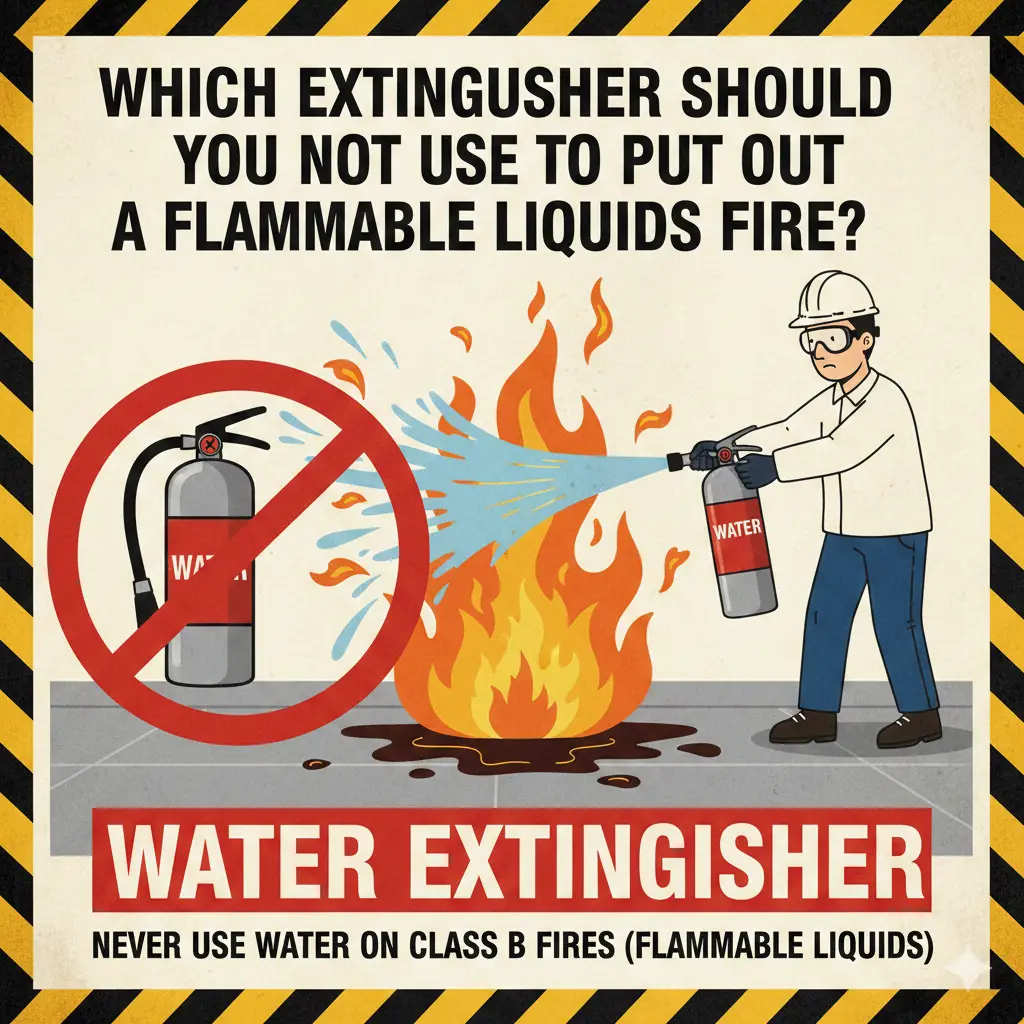
When a fire breaks out involving gasoline, oil, or other flammable liquids, quick action saves lives and property. But here’s the key question: which extinguisher should you not use to put out a flammable liquids fire? The answer is a water extinguisher. Using it can spread the flames and make things worse. This guide explains why, covers fire basics, and shares practical advice for everyone from homeowners to safety managers.
Fires don’t wait for you to read instructions. That’s why understanding extinguisher types matters. In this article, we’ll break down fire classes, explore extinguisher options, highlight dangers, and offer steps to handle emergencies. Whether you’re prepping for a driver’s theory test or setting up workplace safety, you’ll find clear, actionable info here.
The History of Fire Extinguishers: From Early Inventions to Modern Tools
Fire extinguishers have come a long way since their early days. The first known device dates back to 1723, when Ambrose Godfrey, a German chemist in England, patented a barrel filled with a liquid solution and gunpowder. When lit, it exploded and released the liquid to douse flames. This crude invention marked the start of portable fire-fighting tools.
By 1819, Captain George William Manby improved on it with a copper vessel holding potassium carbonate under pressure. It sprayed a solution to smother fires. The 1900s brought big changes. In the 1920s, sodium chloride-based extinguishers handled metal fires, and later, graphite and copper types followed.
The modern pressurized extinguisher arrived in the mid-20th century. Today, we have specialized types for different fires, like dry chemicals for versatile use or CO2 for electrical risks. These advancements stem from real-world needs, such as industrial accidents where wrong tools caused more harm.
Understanding this history shows why matching the extinguisher to the fire type is vital. Early inventors focused on safe, effective ways to stop fires without adding fuel. Now, standards from groups like the NFPA ensure reliability.
Understanding Fire Classes: The Foundation of Safe Extinguishing
Fires aren’t all the same. Experts classify them by fuel source to guide the right response. This system helps you pick the correct tool and avoid mistakes.
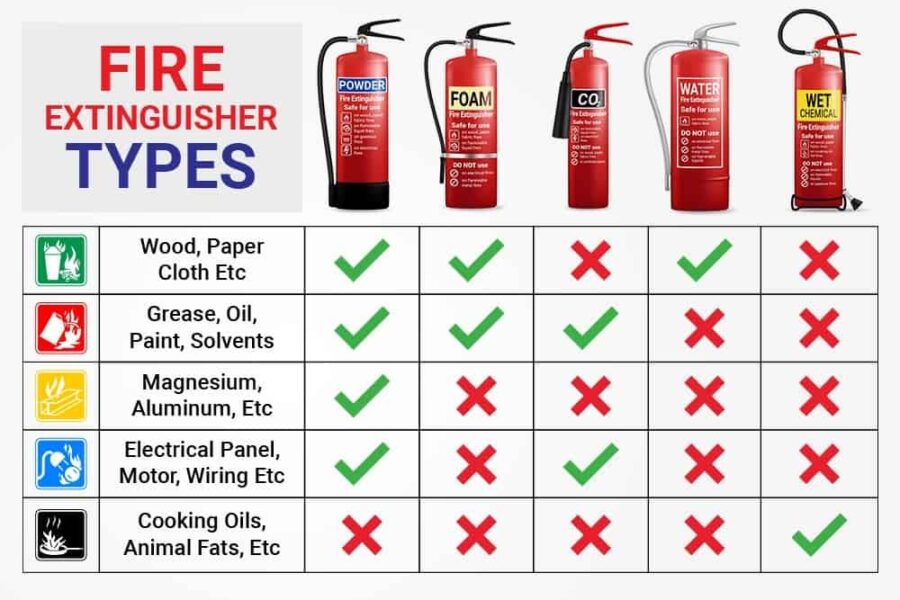
- Class A: Involves everyday solids like wood, paper, or cloth. Water works well here by cooling the material.
- Class B: Covers flammable liquids such as petrol, solvents, or oils. These spread fast, so you need agents that smother without mixing.
- Class C: Electrical fires from wiring or appliances. Non-conductive options like CO2 prevent shocks.
- Class D: Metal fires, like magnesium or sodium. Special powders are required to avoid reactions.
- Class K (or F): Cooking oils and fats in kitchens. Wet chemicals cool and saponify the grease.
Class B fires, our main focus, make up about 4% of warehouse incidents but cause big damage due to rapid spread. In labs, mishandled chemicals often spark them. Knowing classes prevents errors, like using water on Class B, which we’ll discuss next.
Types of Fire Extinguishers: Colors, Uses, and How They Work
Fire extinguishers come in types marked by colors for quick ID. Each targets specific classes.
Water Extinguishers (Red Label): Great for Class A. They cool burning materials but fail on liquids or electricity.
Foam Extinguishers (Cream Label): Handle Class A and B. Foam blankets the fire, cutting off oxygen.
Dry Powder Extinguishers (Blue Label): Versatile for A, B, and C. Powder interrupts the chemical reaction.
CO2 Extinguishers (Black Label): Ideal for B and C. Gas displaces oxygen without residue.
Wet Chemical Extinguishers (Yellow Label): For Class K, they react with fats to form soap-like foam.
In the UK, colors help during emergencies. For example, a red water one might tempt you, but it’s wrong for liquids.
To visualize:
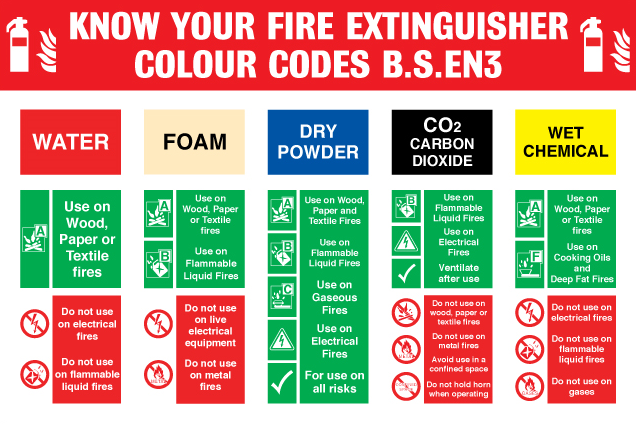
These images show common types with codes. Always check labels before use.
Which Extinguisher Should You Not Use to Put Out a Flammable Liquids Fire?
The clear answer to which extinguisher should you not use to put out a flammable liquids fire is a water extinguisher. Why? Water sinks under lighter liquids like petrol, pushing the burning fuel outward. This spreads the fire instead of stopping it.
If the liquid is hot, water turns to steam fast, causing an explosion that scatters flames. In one incident, a workshop fire worsened when water was used on spilled solvent, injuring workers.
Tests show this risk. For Class B, water increases fire size by up to 300%. Instead, use foam, dry powder, or CO2. These form barriers or displace air without mixing.
This mistake happens in homes and jobs. A UK theory test question highlights it: Options include water, foam, dry powder, and CO2. The wrong choice is water. Learn more from the Theory Test site.
Safe Alternatives: Best Extinguishers for Flammable Liquids
For Class B fires, choose wisely:
- Foam: Smothers and cools. Aim at the base.
- Dry Powder: Stops the reaction. Good for outdoors.
- CO2: Clean, no mess. Best for enclosed spaces.
Each has pros. Foam prevents re-ignition; CO2 avoids damage to electronics. In businesses, stock multi-purpose ones.
Quote from NFPA: “Matching agent to fire class reduces risks.” Train teams on these for quick response.
Common Causes of Flammable Liquid Fires
These fires start from spills, leaks, or mishandling. Common triggers:
- Open flames near storage.
- Faulty equipment sparking vapors.
- Poor ventilation building up fumes.
In warehouses, 4% of fires involve liquids but lead to major losses. Homes see them from gasoline cans or paint thinners. Labs report issues from ignored safety.
One example: A 2019 refinery blast from vapor ignition killed workers. Prevention? Store in approved cans, away from heat.
Statistics on Flammable Liquid Fires: Why Awareness Matters
Each year, US fire departments handle over 36,000 industrial fires, many from flammable liquids. Burns injure 400,000 people, with liquids a top cause.
From 2015-2020, 454 deaths and 3,910 injuries linked to these. Young adults face the highest risks. These numbers show the need for education.
In the UK, similar trends in workshops and homes. Proper training cuts incidents by 50%.
Common Mistakes When Using Fire Extinguishers
People often err in high-stress moments. Avoid these:
- Wrong Type: Using water on Class B spreads fire.
- Poor Aiming: Target flames, not base.
- No Maintenance: Expired units fail.
- Blocking Access: Clutter hides extinguishers.
- Partial Discharge: Don’t reuse without recharge.
Training fixes most. One myth: All extinguishers work the same. Not true.
Fire Safety Tips for Handling Flammable Liquids
Handle with care to prevent fires:
- Store Properly: Use metal cans in cool, ventilated spots.
- Avoid Ignition: No smoking near liquids.
- Ventilate: Open windows to disperse vapors.
- Use Approved Gear: Spring-closing lids on cans.
- Wear Protection: Gloves and goggles.
In kitchens, watch oils. For tips on safe cooking to avoid grease fires, see these personal cooking tips. Even creamy cheeses like masgonzola can involve oils if frying.
Real-Life Examples of Flammable Liquid Fire Accidents
Accidents teach lessons. In 2003, a Texas site fire from unsafe handling ignited vapors, injuring many.
A 2022 school demo with methanol flashed back, burning students. Hot work on flanges sparked another.
Railcar spills turn deadly if ignited. These show why right tools matter.
For detailed insights, check Britannia Alarms’ guide.
The PASS Method: Step-by-Step Guide to Using an Extinguisher
Follow PASS for safe use:
- Pull the pin.
- Aim at the fire’s base.
- Squeeze the handle.
- Sweep side to side.
Stay low, back away if needed. Practice in training.
Workplace and Home Safety: Tailored Advice
At work, managers assess risks and train staff. Homes need extinguishers in kitchens and garages.
For businesses, comply with OSHA: Limit storage, label clearly.
FAQs on Fire Extinguishers and Flammable Liquids
Which extinguisher should you not use to put out a flammable liquids fire?
You should never use a water extinguisher (usually red label) on a flammable liquids fire. Water is denser than most liquids like petrol or oil, so it sinks below the fuel and pushes the burning liquid outward. This spreads the fire quickly and can make it much worse.
Can I use a wet chemical extinguisher on flammable liquids?
No, wet chemical (yellow label) is for cooking oils/fats (Class K). It might not work well on other liquids like petrol and could spread the fire.
Why is water dangerous on flammable liquid fires?
Flammable liquids float on water. Adding water causes the fuel to splash and spread flames farther. In hot fires, water can even turn to steam fast and cause an explosion-like effect.
What are the best extinguishers for flammable liquids (Class B) fires?
Use these safe options:
- Foam extinguishers (cream label): They create a blanket over the liquid to block oxygen.
- Dry powder extinguishers (blue label): They stop the fire’s chemical reaction.
- CO2 extinguishers (black label): They displace oxygen with gas and leave no mess.
What should I do if I use the wrong extinguisher by mistake?
Stop right away, evacuate, and call emergency services. Never risk your safety on a growing fire.
Is this a common question in driving theory tests?
Yes! In UK theory tests, there’s often a question: “Which type of fire extinguisher shouldn’t be used on flammable liquids?” The answer is water.
Conclusion: Stay Prepared and Safe
In summary, knowing which extinguisher should you not use to put out a flammable liquids fire—namely water—can prevent tragedy1. Choose foam, dry powder, or CO2 for Class B. With proper storage, training, and awareness, you reduce risks. Fires claim lives yearly, but preparation saves them.
What steps will you take today to check your fire safety setup2?
References
- Theory Test UK – Ideal for learners and test candidates seeking quiz-style fire safety questions. ↩︎
- Britannia Alarms Guide – Suited for workplace safety officers and general public needing detailed extinguisher explanations. ↩︎