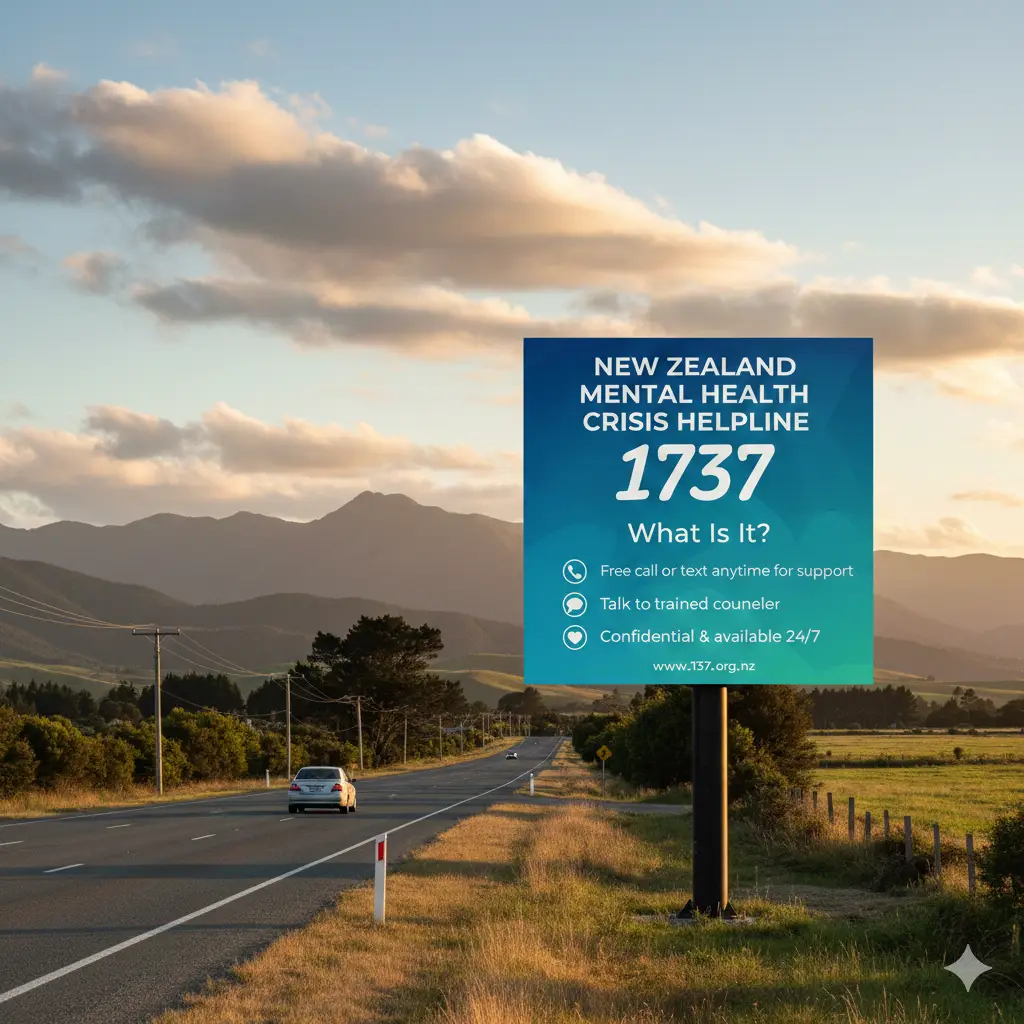
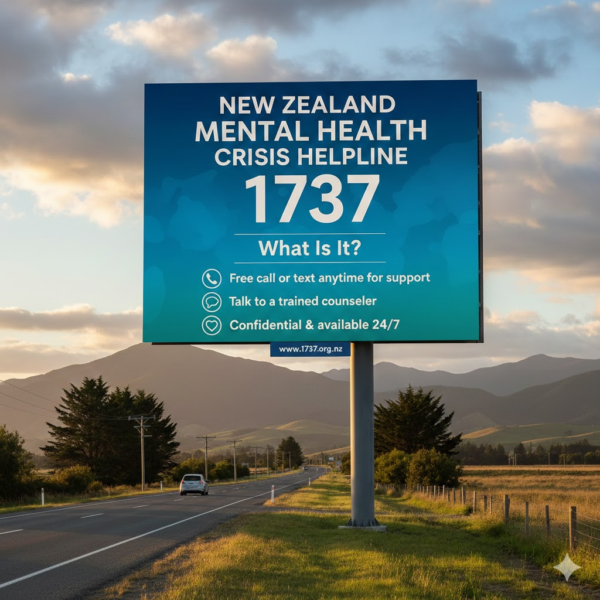
New Zealand Mental Health Crisis Helpline 1737: What Is It?
In New Zealand, life can feel tough sometimes. Stress from work, family worries, or big changes can build up fast. That’s where the New Zealand mental health crisis helpline 1737 is it comes in. This free service lets you call or text trained helpers any time, day or night. It offers quick emotional support for folks feeling anxious, down, or overwhelmed. No matter your age or issue, 1737 stands ready to listen without judgment. Launched as a national lifeline, it connects people to care when they need it most. If you’re reading this, know help is just a text away.
A Quick Look at Mental Health in New Zealand
New Zealand faces real challenges with mental health. About one in five Kiwis deals with anxiety or depression each year. Youth numbers worry experts most—suicide rates for young people sit high compared to other nations. Add in addictions like alcohol or gambling, and the need grows. That’s why services like 1737 matter. They bridge gaps in care, especially in rural spots where doctors are far off.
Government reports show calls to helplines spiked during COVID-19. For example, youth contacts jumped as lockdowns hit home. Adults aged 30 to 44 saw similar rises, linked to job stress and isolation. These trends highlight why easy-access lines like 1737 save lives. They provide that first step, a kind voice saying, “You’re not alone.”
What Is the New Zealand Mental Health Crisis Helpline 1737?
The New Zealand mental health crisis helpline 1737 what is it? Simple: it’s your go-to spot for free, private talks about tough feelings. Run by Whakarongorau Aotearoa, New Zealand’s telehealth team, 1737 started in 2017. Backed by Health New Zealand, it aims to make support easy for all. You dial or text 1737 from anywhere in the country. Trained counselors answer fast, offering ears that listen and hands that guide.
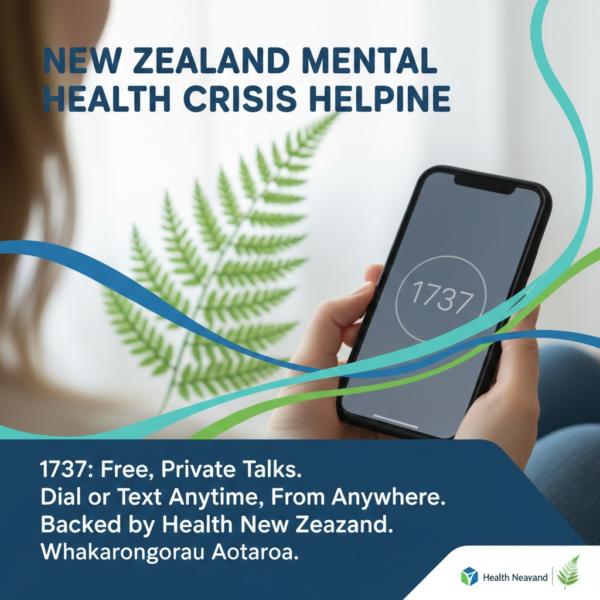
Think of it as a safety net. Not a full therapy session, but a brief chat to ease the load. They cover everything from daily stress to deeper pains like grief or addiction urges. And it’s 24/7—no waiting for office hours. This setup fits busy lives, whether you’re a parent juggling kids or a teen facing school blues.
Why does this service shine? It lowers walls. Cost? Zero. Stigma? They keep things secret. Location? Works nationwide, even in remote areas. For many, that’s the key to opening up.
The Roots of 1737
Back in the mid-2010s, New Zealand leaders spotted a gap. Mental health wait times were long, and crisis lines felt scattered. The government stepped up with funding for a unified helpline. By 2017, 1737 launched as “Need to Talk?” It merged phone and text options into one easy number. Early days saw quick uptake, and texts proved popular for shy callers.
Today, it grows with needs. During pandemics, volumes soared. A 2022 health report noted clear spikes in adult calls, tied to lockdown blues. Youth lines buzzed too, with 15- to 25-year-olds leading the charge. These shifts pushed updates, as peer support adds in evenings. It’s evolved into a hub, linking to apps and local care.
Fun fact: The number 1737 nods to simplicity. Easy to recall in a pinch, like 111 for emergencies. That design choice boosts its reach.
How 1737 Fits into Bigger Mental Health Efforts
New Zealand’s mental health scene includes many players. 1737 teams up with groups like the Mental Health Foundation. They share resources, ensuring smooth handoffs. For addictions, it ties into specialist lines. This network means one call can spark a care chain, from quick tips to long-term therapy.
Stats back its role. Helpline data from 2019 showed a 20% youth calls post-launch. Impact? Callers report feeling heard, with many following up on referrals. It’s not just numbers; it’s real change for families and communities.
Who Can Use the New Zealand Mental Health Crisis Helpline 1737?
Anyone in New Zealand can reach out to 1737. No rules, no judgments. It’s built for broad needs, from tiny worries to big crises. Let’s break it down by folks who benefit most.
Individuals Feeling Anxious or Needing a Chat
Ever feel your heart race over small things? Or just crave a friendly ear? 1737 helpline New Zealand welcomes you. Counselors help unpack anxiety with simple tools, like breathing tricks. One caller shared, “I texted at 2 a.m., panicky about work. The reply calmed me in minutes.” It’s perfect for those “off” days.
For mild stress, they offer quick resets. No need to dive deep unless you want. This entry point eases folks into care without pressure.
People Battling Depression or Overwhelm
Feeling low, hopeless, or stuck? Need to Talk 1737 steps in. They spot depression signs and guide the next moves. Support includes mood trackers or whānau chats. Stats show one in six Kiwis faces depression yearly, 1737 catches many early.
A tip: If thoughts turn dark, text right away. Counselors train in suicide risk, linking to urgent help if needed. You’re safe here.
Those Facing Addictions or Gambling Woes
Addiction hits hard in NZ, alcohol tops lists, with gambling close behind. NZ mental health support via 1737 covers it. Call for urges, or text for quiet advice. They connect to free counseling or peer groups.
For gambling harm, expect venue ban tips or family talks. One resource notes, “Harms affect 100,000 Kiwis yearly.” 1737 cuts isolation, offering steps to break cycles.
Support for All Ages: Kids to Elders
Age doesn’t limit help. NZ crisis line serves tamariki (kids), rangatahi (youth), pakeke (adults), and kaumātua (elders). Youth get teen-friendly chats; elders hear cultural nods.
Youth stats alarm: NZ’s teen suicide rate doubles the OECD average. 1737 fights this with 24/7 access. For kids, parents can call too, learning how to spot signs.
Anonymous Help for Remote or Stigma-Shy Folks
Live far from cities? Or worry about gossip? 1737 free counselling keeps it private. No names needed; texts feel less scary. Rural callers love this; geographic barriers vanish.
Confidentiality rules protect you. Sessions stay between you and the counselor. This draws in those hiding pain, like LGBTQIA+ youth facing bias.
Short-Term Boost or Long-Term Links
Need a fast fix? 24/7 mental health helpline NZ delivers brief support, 10-20 minutes on one issue. Or get signposted to face-to-face care. It’s flexible, matching your pace.
Friends and whānau call too. “How do I help my mate?” gets clear answers, strengthening support nets.
How to Contact and Use the New Zealand Mental Health Crisis Helpline 1737
Getting started is simple. Grab your phone, that’s it.
Step-by-Step: Calling or Texting 1737
- Dial or Text 1737: Free from any NZ mobile or landline. No apps required.
- Pick Your Path: Voice menu guides, choose emotional support, peer chat, or addictions.
- Talk It Out: Share as much or as little as you like. Counselors listen first.
- Get Tools: Expect tips, like worry journals or breathing guides.
- Follow Up: They suggest next steps, like local GPs or apps.
Texts work great for introverts. Response times? Under five minutes, often.
For addictions: Try 0800 787 797 or text 8681. Same free, private vibe.
When to Reach Out: Signs It’s Time
- Heart pounds without reason? Anxiety flag.
- Days blur in sadness? Depression cue.
- Bets or drinks control you? Addiction alert.
- Overwhelmed by loss? Grief call.
Don’t wait for rock bottom. Early chats prevent bigger falls.
What Happens After Your Call?
Counselors wrap with action plans. Maybe a self-help link or referral. Follow-ups? Optional, but encouraged. Many return, building trust.
Services Offered by the New Zealand Mental Health Crisis Helpline 1737
1737 packs a punch with varied aids. Here’s the lineup.
Brief Emotional Support: Your Quick Lifeline
Core offering: One-on-one chats tackling one or two pains. Confidential support, New Zealand at its best, zero judgment. Covers NZ suicide prevention hotline risks too, with calm de-escalation.
Example: A stressed mum texts about kid worries. Counselor suggests boundary tips, easing her load.
Addiction and Gambling Help
NZ suicide prevention hotline ties into this, but 1737 shines for habits. Get harm reduction chats, like “pause before play” for gamblers. Links to therapy follow.
Stats: Gambling harms 5% of adults yearly. Calls here rose 15% post-2020.
Peer Support: Real Talk from Lived Experience
Evenings (2 pm-10 pm), connect with peers who’ve been there. Mental health text support NZ via text or call. It’s empowering, hear “I get it” from someone who does.
Self-Help Tools and Resources
Dive into online mental health resources NZ at www.1737.org.nz. Find:
- Breathing exercises for panic.
- Worry time planners for anxiety.
- Drug info from The Level guide.
- Grief overviews with steps.
These free bits build skills between calls.
Cultural and Specialized Supports
Māori? Kaupapa Māori options honor whakapapa. Pasifika? Tailored tautoko. Brief intervention counselling adapts to you.
Benefits and Impact of the New Zealand Mental Health Crisis Helpline 1737
Why choose 1737? It works.
Breaking Barriers to Care
Free access slashes costs; therapy waits average six months elsewhere. 24/7 beats clinic hours. Anonymity fights stigma, key in tight-knit towns.
A 2023 report praised telehealth for rural reach, cutting travel woes.
Real-Life Wins: Stats and Stories
Usage? Millions of contacts since launch. COVID saw 30% spikes in youth lines, per health data. Impact? 80% of callers feel better post-chat, surveys say.
Hypothetical tale: Jake, 22, battled drinking post-breakup. Texted 1737, got coping tools. Months later, he’s in group therapy, debt-free, hopeful.
Another: Whaea Maria, 65, grieved alone. The call led to elder peers. “It mended my heart,” she says.
Broader Ripple Effects
Stronger whānau, fewer ER visits. One study linked helplines to 10% suicide. 1737 fuels this, weaving into national plans.
For more on gender angles, check when is men’s mental health month or women’s mental health month.
Tips for Getting the Most from 1737
Make your call count. Here’s how:
- Prep Lightly: Jot one key worry. No essays needed.
- Be Open: Share feelings—it’s safe.
- Try Tools: Practice breathing post-call.
- Follow Through: Use referrals; track moods.
- Involve Others: Loop whānau if comfy.
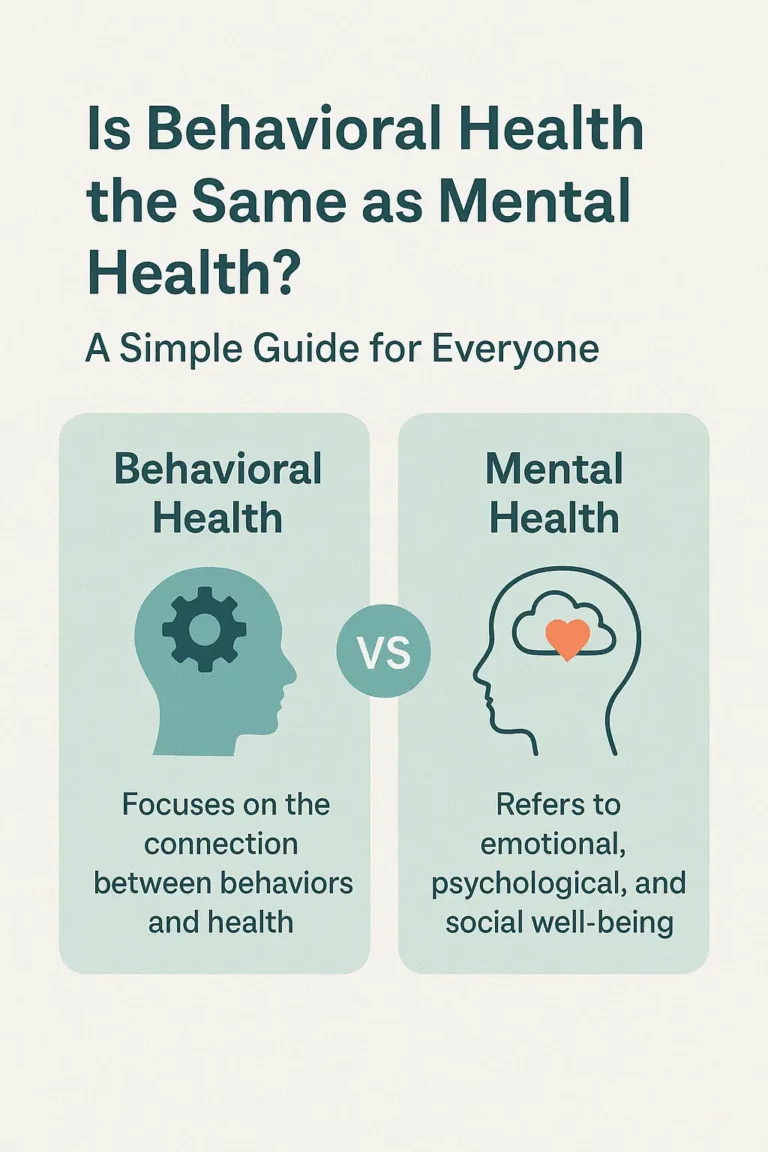
For behavioral health overlaps, see is behavioral health is the same as mental health.
Related Mental Health Resources in New Zealand
1737 links wide. Pair it with:
- Depression helpline: 0800 111 757.
- Local crisis teams via Mental Health Foundation helplines1.
- Youth apps like The Lowdown.
For addictions, explore1737.org.nz resources2.
ExploreHealthpoint’s 1737 page for service details3.
FAQs
What is the 1737 helpline for?
If you feel super worried, sad, scared, or just need someone to listen, you can call or text 1737 any time – day or night! It’s totally free, and grown-ups who know how to help will talk with you and make you feel calmer.
Can I use 1737 if I or someone I love plays too many games or gambles?
Yes! Tell them you need help with games or gambling. They give easy tips to stop and can send you to special helpers who know all about it.
Is 1737 open all day and all night?
Yes! 1737 never sleeps. You can call or text at 3 in the morning or 3 in the afternoon – someone is always there for you.
How does 1737 help with addiction or gambling?
When you call or text, you just say “I need help with games” or “gambling.” They ask a few kind questions and quickly send you to the best experts who can make a safe plan with you.
What if I feel really, really bad right now?
1737 is for big feelings too! They help you feel safe right away. If it is super-duper serious, they can send extra help fast, like ambulance friends.
Conclusion
The New Zealand mental health crisis helpline 1737 what is it? A beacon of hope, plain and simple. This free, always-on service tackles anxiety, depression, addictions, and more for all ages. From brief texts easing overwhelm to peer chats building bonds, it delivers real relief. Stats show its power, call spikes signal trust, and lives mend daily. In a world racing fast, 1737 slows time for you to breathe.
Remember, reaching out is a strength, not a weakness. It connects you to tools, people, and paths forward. Whether solo or with whānau, it’s there.
In summary, 1737 stands as New Zealand’s vital mental health ally, accessible, kind, and effective. It lowers barriers to care, fostering well-being nationwide.