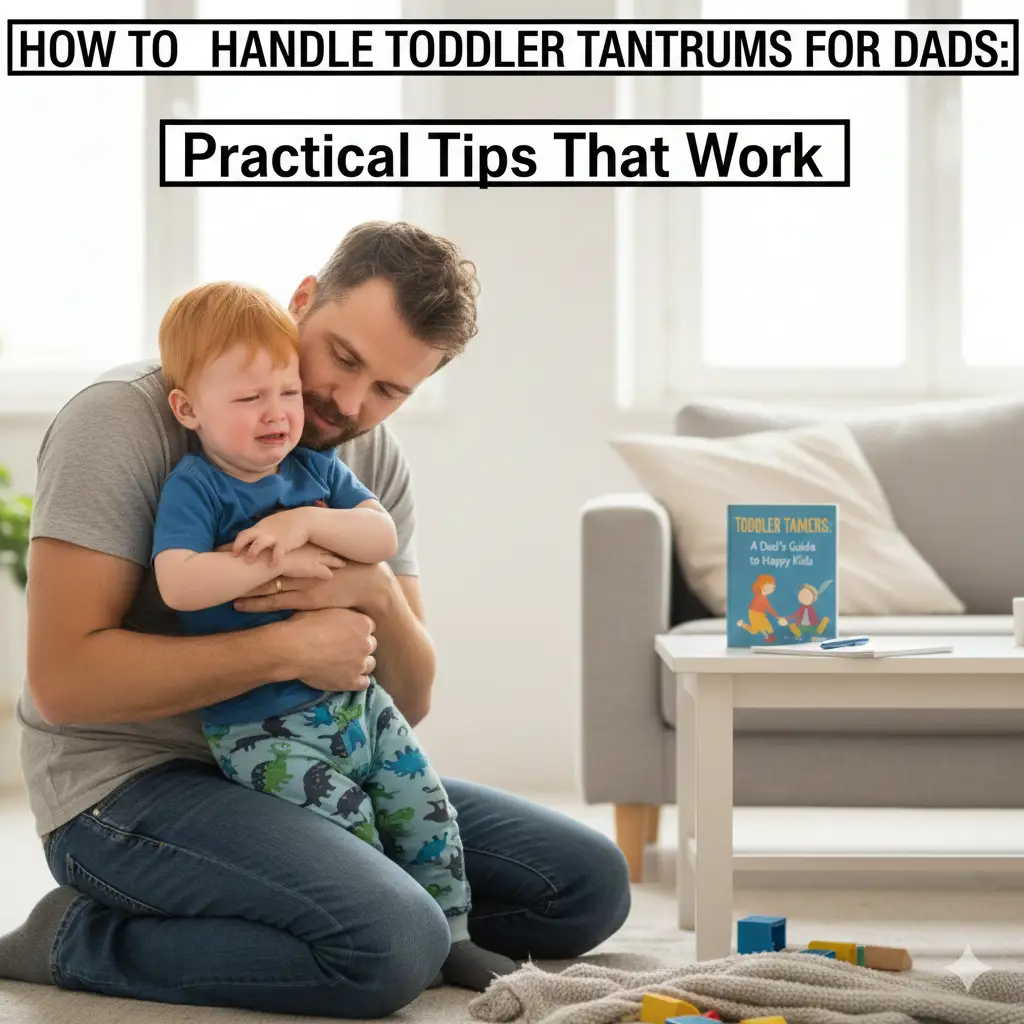
How to Handle Toddler Tantrums for Dads: Practical Tips That Work
Being a dad to a toddler means facing some wild moments. Your little one might be happy one second, then screaming and kicking the next because their snack is cut wrong or it’s time to leave the park. How to handle toddler tantrums for dads is a common question many fathers ask. These outbursts are completely normal. Toddlers between 1.5 and 3 years old often have tantrums because their brains grow quickly, but they don’t yet have the words or skills to express big feelings like anger, tiredness, or frustration. Research shows that about 87% to 91% of kids in this age group have tantrums, and many happen several times a week. You’re not doing anything wrong—it’s just part of growing up.
As a dad, you bring strength and calm to these situations. Handling tantrums well helps your child feel safe and learn how to manage emotions. This long guide gives you straightforward, real-life tips from experts and other dads. We’ll cover why tantrums happen, what to do right away, ways to prevent them, and more. You’ll feel more confident and ready.
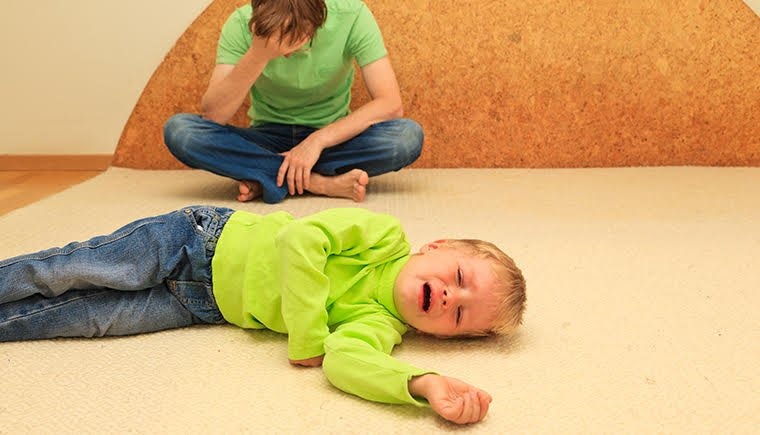
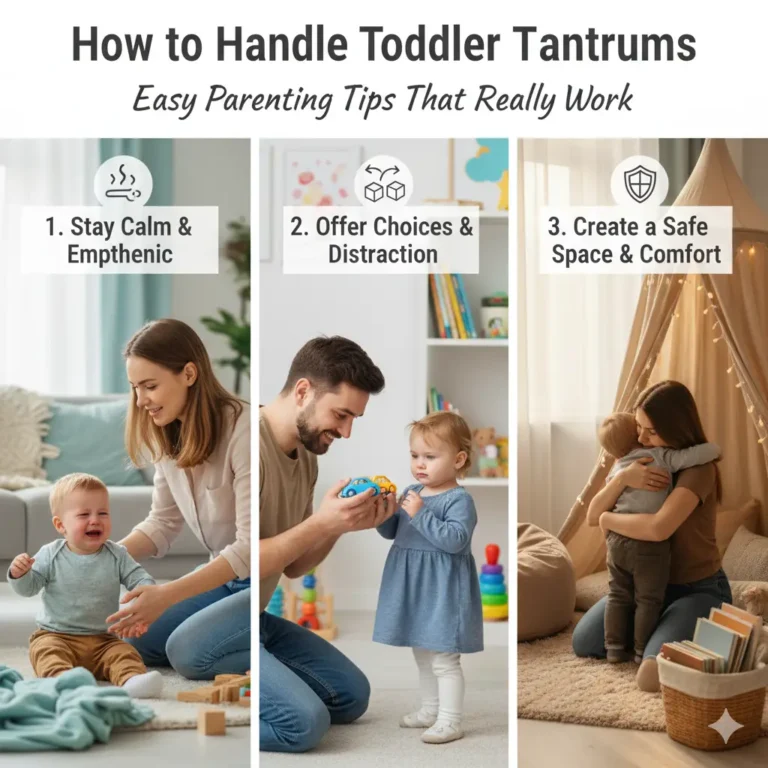
These pictures show what a tantrum can look like—your toddler might flop on the floor, cry hard, or throw things. It’s tough to watch, but it passes.
Understanding Why Toddler Tantrums Happen
First, know the reasons behind tantrums. Toddlers want to do things on their own, but they can’t always. This leads to frustration. Common causes include:
- Hunger or tiredness: Just like adults get grumpy when low on sleep or food, toddlers do too. This is one of the top triggers.
- Wanting control: They say “no” a lot because they’re testing independence.
- Big feelings they can’t name: Anger, sadness, or excitement can overwhelm them.
- Changes in routine: New places or too much activity can overstimulate them.
- Not enough words: At this age, vocabulary is limited, so they use cries or actions instead.
Studies find that tantrums peak around age 2, happening about 4-5 times a week on average for many kids. Most last 3-5 minutes, though some go longer. They decrease as kids turn 4 and learn better ways to talk and cope.
Dads often notice tantrums more when they’re the main caregiver that day. Kids feel safe with you, so they let out emotions freely. It’s a sign of trust, not bad parenting.
The Key Mindset for Dads: Stay Calm and Strong
The most important thing you can do is stay calm. Your toddler watches you for how to act. If you stay steady, they learn emotions are okay but can be handled.
Simple ways to keep your cool:
- Breathe deep: Inhale slow for 4 counts, hold for 4, exhale for 4.
- Remind yourself it’s normal: Say in your head, “This is a phase. It will end.”
- Step back if needed: If safe, take a quick moment to reset.
- Think like a coach: You’re guiding your child through a tough play, not fighting them.
Many dads say staying calm turns hard moments into chances to connect. One dad shared online that he thinks of tantrums as “storms”—loud but temporary.

Hugs like these help when the storm calms—offer one when your child starts to settle.
How to Handle Toddler Tantrums for Dads: Step-by-Step in the Moment
When a tantrum starts, focus on safety and support. Don’t try to reason yet—their brain is in “fight or flight” mode.
What to do right away:
- Keep everyone safe: Move sharp objects or hold gently if they’re hitting.
- Stay near: Sit or stand close. Say softly, “I’m here with you.”
- Name the feeling: Use easy words like, “You’re really mad right now” or “It’s hard when we can’t have that toy.”
- Don’t give in: If the tantrum is for something unsafe or unfair, hold the line kindly.
- Wait for the shift: Many tantrums move from anger to sadness. That’s when comfort works best.
- Offer help to calm: Once quieter, suggest deep breaths together or a hug.
What not to do:
- Yell or punish—this can make it worse.
- Bribe with treats—it teaches tantrums to pay off.
- Ignore completely if they’re young—stay present but don’t feed the drama.
Dads from forums like Reddit share successes with this. One said ignoring screams but hugging during tears turned meltdowns into cuddles. Another uses distraction like funny faces once the peak passes.
For more ideas, see this dad-focused article on handling tantrums: DAD BEAT: How to Handle Toddler Temper Tantrums.
Preventing Tantrums: Dad Strategies That Cut Them Down
You can’t stop all tantrums, but you can reduce them a lot with daily habits.
Top prevention tips for dads:
- Build connection: Spend 10-15 minutes daily playing their way—no phones. Roughhousing or building blocks works great.
- Give choices: Let them pick between two good options, like “apple or banana?” or “red shirt or blue?”
- Watch for HALT: Check if they’re Hungry, Angry, Lonely, or Tired. Snack or nap early.
- Keep routines: Predictable meals, play, and bedtimes help them feel secure.
- Use play and fun: Goofy games release stress. Wrestle gently or make silly voices.
- Praise good moments: Say “Great job sharing!” often—it builds positive habits.
Handling Tantrums in Public: Tips for Dads on the Go
Public tantrums feel extra hard—everyone watches. But most people get it.
Dad survival steps:
- Breathe and stay calm: Smile at onlookers if you can.
- Move spots: Carry them outside or to a quiet area.
- Speak low: Whisper “I see you’re upset. We’ll wait here.”
- End the outing if needed: Safety and calm come first.
- Reflect later: At home, talk simply about what happened.
One dad story: At a store, his toddler screamed over candy. He picked her up, left the cart, and sat in the car until calm. No shame—kids learn.
Check other dad tips here: Dear Fellow Dads: What Do You Do for 2-Year-Old Tantrums?.
Common Mistakes Dads Make and How to Fix Them
We all mess up sometimes. Learn from these:
- Taking it personal: It’s not about your parenting—it’s development.
- Giving in quick: Ends it fast but leads to more later.
- Trying logic too soon: Wait till calm for talks.
- Matching anger: Raises the heat for both.
Instead, use humor. Make a funny face or voice to lighten things.How to handle toddler tantrums: Easy parenting tips that really work
Special Situations: Nighttime, Siblings, and More
Night tantrums often tie to tiredness. Stick to bedtime routine and offer extra cuddles.
With siblings, tantrums can spark jealousy. Give one-on-one time to each.
For aggressive tantrums (hitting), hold gently and say “Hands are not for hitting.”
Long-Term Wins: What Good Handling Does for Your Child
By staying calm and supportive, you teach:
- Emotions are safe to feel.
- Words work better than screams.
- Self-control grows with practice.
Kids with dads who handle tantrums well often become better at emotions later.
FAQs: Common Questions on How to Handle Toddler Tantrums for Dads
What is the best way for dads to handle toddler tantrums?
Stay calm, get down to their level, and name their feelings. Say something simple like, “I see you’re really mad because we have to leave the park.” Stay close but don’t give in to the demand. Offer a hug when they start to calm down.
Do toddlers have more tantrums with dads than with moms?
Many dads notice this, and it’s normal. Kids often feel safest with their parents1, so they let out big emotions more freely around you. It’s actually a sign they trust you.
How long should a normal toddler tantrum last?
Most last 3 to 5 minutes. If they regularly go longer than 15–20 minutes or happen many times a day, check for hunger, tiredness, or other triggers.
Is it okay to ignore a toddler tantrum?
Yes, for the loud, attention-seeking part. Stay nearby for safety, but don’t argue or give extra attention to the screaming. When they quiet down or start crying sadly, that’s the time to offer comfort.
Should dads give in sometimes to stop the tantrum faster?
No. Giving in teaches your child that tantrums work. Hold the boundary kindly. It’s hard in the moment, but it leads to fewer tantrums later.
What if my toddler tantrums in public?
Take a deep breath, stay calm, and move to a quieter spot if possible. Pick them up gently, leave the store or park if needed, and comfort them outside. Most people understand—every parent has been there2.
Can roughhousing or play help reduce tantrums?
Absolutely! Active play with dad—wrestling, chasing, or tickling—helps release built-up energy and stress. Many dads find daily rough-and-tumble play cuts tantrums way down.
When should I worry about my toddler’s tantrums?
Talk to a doctor if tantrums include hurting themselves or others often, last longer than 25 minutes regularly, or continue past age 4–5 with no improvement.
In Conclusion: You’ve Got the Tools, Dad
Figuring out how to handle toddler tantrums for dads gets easier with time and practice. Stay calm, connect deeply, and be consistent. You’re showing your child how to be strong and kind. These years fly by3, and your patience now builds a great relationship later.
What’s one tantrum tip that’s worked for you? Or what’s your biggest challenge? Share below—we’re all learning together.
References
- Dear Fellow Dads: What Do You Do for 2-Year-Old Tantrums? – Reddit r/daddit – Real peer tips from dads on empathy, ignoring, and hugs. ↩︎
- Seven Surprise Ways To Stop Tantrums – Hand in Hand Parenting – Connection-based strategies welcoming emotions, useful for involved dads ↩︎
- DAD BEAT: How to Handle Toddler Temper Tantrums – Nashville Parent – Relatable dad stories and practical advice for fathers. ↩︎