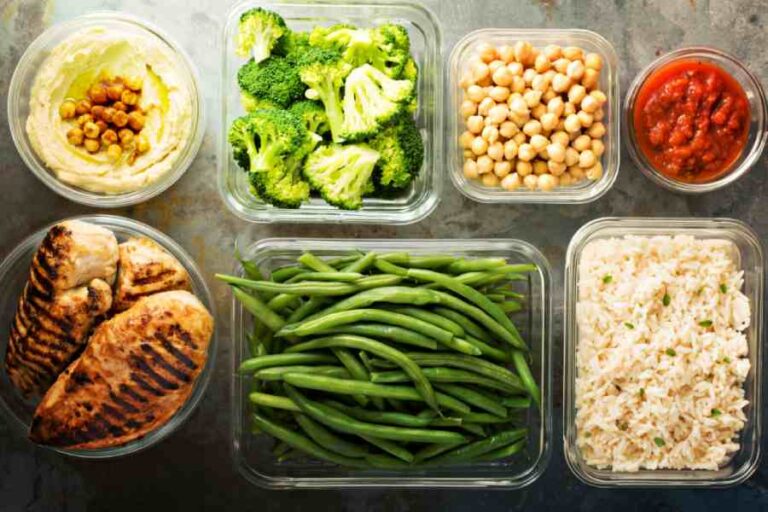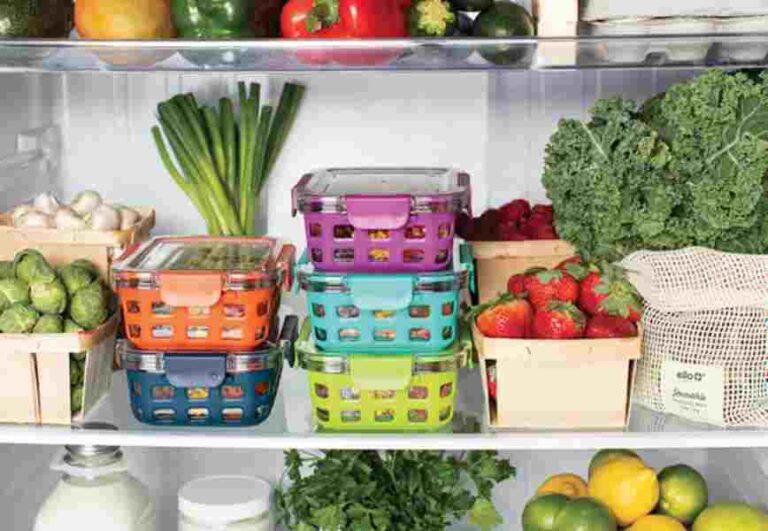
How to Build a Weekly Meal Plan: Simple Steps for Busy Lives
Learning how to build a weekly meal plan can change your daily routine for the better. Busy adults, families, and beginners often struggle with what to eat each day. A good plan helps you eat healthy foods, save money, and cut down on waste. You decide meals ahead, shop smart, and prep easily. This guide shows simple steps to make it work for you. Whether you cook for a family or just yourself, these tips fit your life.
Many people feel stressed about meals. Planning ahead removes that worry. You enjoy more time with loved ones and less rush in the kitchen. Studies show planned meals lead to better nutrition and lower costs. Start small, and it becomes a habit.
Why Meal Planning Matters
Meal planning brings big benefits. It saves time by cutting daily decisions. No more “what’s for dinner?” stress. It helps you eat balanced foods from all groups: fruits, veggies, grains, proteins, and dairy.
Planning reduces food waste. You buy only what you need and use leftovers. This saves money too—less impulse buys or takeout. Busy parents find it key for kid friendly meals.
For beginners, it builds confidence. You try new recipes without fear. Budget-focused plans keep costs low with sales and staples.
Experts agree: Planning leads to healthier habits. One source notes it helps families eat together more often.
Getting Started: Tools You Need
You don’t need fancy apps at first. Grab paper, a pen, or a phone note.
Many love free tools. Try a weekly meal planner pdf for easy printing. Or use a weekly meal planner template excel to edit on your computer.
Here are some popular options:
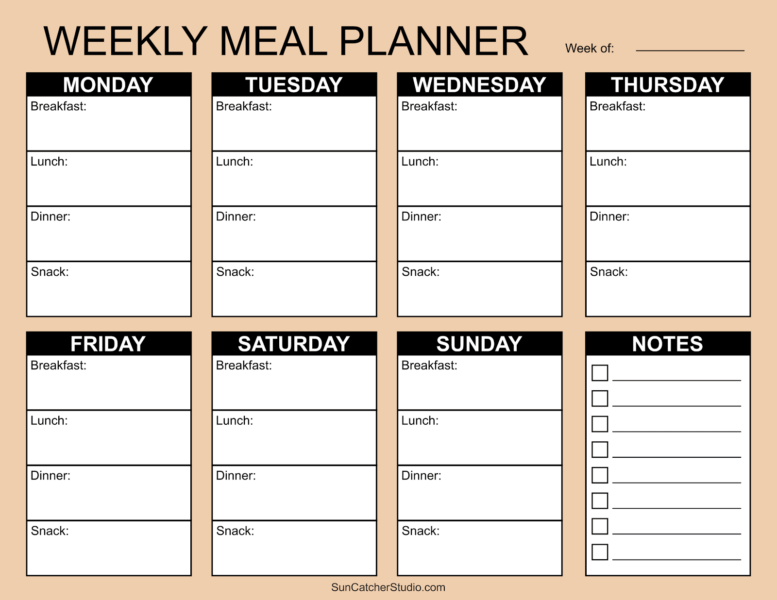
These templates have spots for breakfast, lunch, dinner, and snacks. Add a grocery section too.
For meal planning for beginners pdf, search free sites. They guide you step by step.
Step-by-Step Guide to Build Your Plan
Follow these easy steps to create your plan.
Step 1: Check Your Schedule
Look at your week first. Note busy days, like work late or kids’ activities. Plan quick meals there. Leave room for eating out or leftovers.
Count home-cooked meals. Focus on dinners if that’s your main need.
Step 2: Inventory What You Have
Open your fridge, freezer, and pantry. List items to use soon. Check dates to avoid waste.
This step saves money. Build meals around existing food.
Step 3: Choose Your Meals
Pick recipes you like. Include favorites for comfort. Add one new if you want variety.
Think themes: Meatless Monday or Taco Tuesday.
For families, aim for 7 day family meal plan kid friendly options. Include veggies in fun ways.
Here’s a simple 7 day weekly meal plan example:
- Monday: Grilled chicken with veggies and rice.
- Tuesday: Pasta with tomato sauce and salad.
- Wednesday: Stir-fry using leftovers.
- Thursday: Soup from bulk cook.
- Friday: Homemade pizza with toppings.
- Saturday: Roast with potatoes.
- Sunday: Leftover remix or easy sandwiches.
Make it flexible. Swap based on mood.
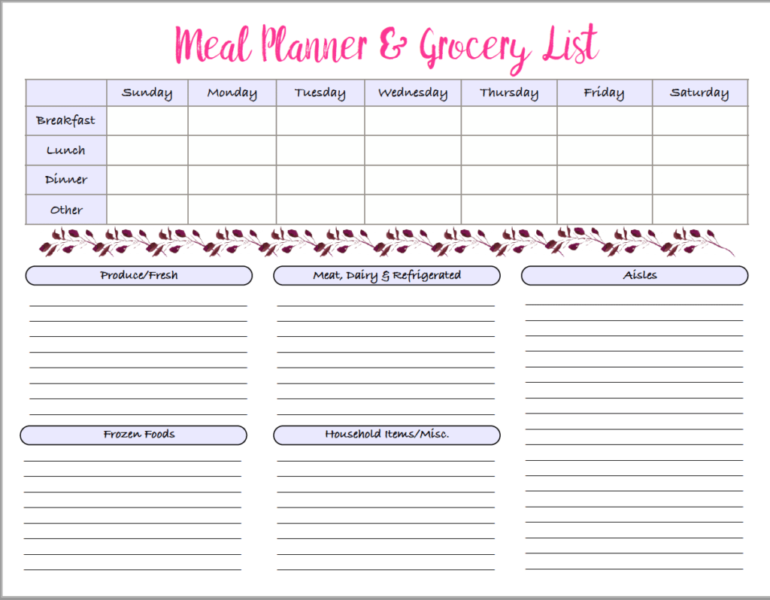
Step 4: Make a Grocery List
Write ingredients for chosen meals. Cross off what you have.
Group by store sections: produce, dairy, meats.
This keeps shopping fast and on how to build a weekly meal plan on a budget.
Here are examples of organized lists:
Step 5: Prep Ahead
Spend time on weekends chopping or cooking basics. Batch cook proteins or grains.
Freeze extras for later weeks.
Step 6: Shop and Cook
Stick to your list at the store. Cook as planned, but stay flexible.
How to Build a Weekly Meal Plan for Beginners
If you’re new, keep it simple. Start with 3-5 dinners. Use easy recipes with few ingredients.
How to build a weekly meal plan for beginners means no pressure. Pick forgiving meals like one-pot dishes.
Involve family for ideas. Kids love helping choose.
Use how to build a weekly meal plan free resources online. Many sites offer templates.
Planning on a Budget
How to build a weekly meal plan on a budget focuses on smart choices. Buy seasonal produce. Choose store brands.
Plan around sales. Use cheap proteins like beans or eggs.
Batch cook to stretch meals. One chicken can make several dishes.
Frozen veggies save money and last longer.
Aim for versatile items: Rice, pasta, canned tomatoes.
Family-Friendly Tips
Create a 7 day family meal plan with balance. Include fruits and veggies daily.
Make it kid friendly with familiar foods. Hide veggies in sauces if needed.
Eat together when possible. Planning makes this easier.
Here are some healthy family dinner ideas:

These show colorful, appealing tables.
Flexible Planning to Reduce Waste
Keep plans loose. Have a “use it up” day for odds and ends.
Cook extra and freeze. Turn leftovers into new meals, like soup from veggies.
This fits busy lives and cuts waste.
For more on flexible plans, check Love Food Hate Waste guide.
Healthy Choices in Your Plan
Focus on nutrition. Fill half your plate with fruits and veggies.
Choose whole grains and lean proteins.
Limit added sugars and salt.
For family health tips, see SafeFood meal planning.
Beginners can start here: Workweek Lunch beginner guide.
Common Mistakes to Avoid
Don’t overplan. Leave buffer days.
Avoid new recipes every night. Mix known and new.
Forget snacks? Add them to prevent hunger buys.
Skip inventory? You waste money on duplicates.
Advanced Tips for Regular Planners
Rotate plans monthly for variety.
Track what works. Note family favorites.
Use apps for auto lists once comfortable.
Prep salads or snacks ahead.
For cooking ideas, try these personal cooking tips.
Love cheese? Add Masgonzola to plans.
Need quick chicken? See this air fryer guide.
Safety first: Know fire extinguishers.
Sample Weekly Plans
Here’s a beginner plan:
Breakfast: Oatmeal with fruit (repeat).
Lunch: Sandwiches or salads from dinner leftovers.
Dinner:
- Monday: Baked fish with potatoes.
- Tuesday: Veggie stir-fry.
- Wednesday: Pasta bake.
- Thursday: Soup and bread.
- Friday: Tacos.
- Saturday: Grill night.
- Sunday: Casserole.
Adjust for your needs.
FAQs About Weekly Meal Planning
What is the easiest way to start how to build a weekly meal plan?
Start small. Check your schedule for the week. Look in your fridge and pantry first. Pick just 5 dinners you like. Make a list of what you need to buy. Shop once, and you’re set. This takes less than 30 minutes at first.
How to build a weekly meal plan for beginners – where do I begin if I’m new to this?
Keep it easy. Use a simple template like a weekly meal planner pdf. Focus on meals you already know how to cook. Plan only dinners to start. Involve your family for ideas. Try free tools online for guidance.
How to build a weekly meal plan on a budget?
Shop sales and use what you have. Choose cheap items like rice, beans, eggs, and seasonal veggies. Batch cook to make meals last longer. Avoid buying new things each week. A good plan can save you money on groceries and takeout.
How do I make a 7 day family meal plan that everyone likes?
Include foods your family enjoys. Add fruits and veggies in fun ways. Plan balanced plates: protein, grains, and greens. Have themes like Taco Tuesday for excitement. Make it 7 day weekly meal plan kid friendly with simple options.
Are there free ways to do how to build a weekly meal plan free?
Yes! Many sites offer weekly meal planner template excel or printable PDFs at no cost. Print them or edit them on your computer. No need for paid apps to start.
What are good ideas for a 7 day weekly meal plan kid friendly?
Try these:
- Monday: Chicken nuggets with carrots
- Tuesday: Tacos with ground meat
- Wednesday: Pasta and sauce
- Thursday: Homemade pizza
- Friday: Fish sticks and fries
- Saturday: Burgers
- Sunday: Soup with bread
Add fruits for snacks.
Making It a Habit
Practice weekly. Soon, it takes little time.
You feel in control. Meals become enjoyable, not chores.
In conclusion, learning how to build a weekly meal plan brings ease to busy days. It helps you eat better, spend less, and waste nothing. Start today with these steps. Your future self will thank you. What will your first planned meal be?
References
- SafeFood.net Meal Planning – Practical steps for families, focus on healthy eating and using leftovers to reduce waste; targets busy parents and household planners.
- Love Food Hate Waste Flexible Plans – Tips for adaptable planning and waste reduction; aimed at budget-conscious, busy adults who need low-stress systems.
- Workweek Lunch for Beginners – Step-by-step for novices, with templates and schedule focus; targets young professionals and those new to planning who want to save time and money.